Entry · Ref PSQJFEEO
When to Consider Synthetic Roof Substitute After Repetitive Tornado Damages
- Posted
- 2026-11-05
- Last amended
- 2026-11-05
- Account
- @trevorxoeo383
A roof can take one significant tornado and recoup. It can also take a second occasion, if the damages is separated and the repair is succeeded. The difficulty starts when the roofing system goes into a cycle of repeated effect, patching, and restored direct exposure. Then, the choice is no more concerning repairing one section. It ends up being a broader concern of whether the roofing system still has the toughness, weather condition resistance, and life span to justify another repair.
That concern turns up frequently after periods noted by hailstorm, wind uplift, ice build-up, and driven rain. In position where weather condition turns quickly and storms come via hard, home owners can locate themselves submitting numerous cases over a few years, replacing sections of tiles, chasing leaks around flashing information, and questioning whether they are investing excellent cash after negative. This is where synthetic roofings begin to make practical sense, not as a luxury upgrade for its own sake, however as a reaction to duplicated failing patterns.
The right time to consider synthetic roof substitute is generally not the very first time your roof covering is harmed. It is when the roofing system has actually stopped acting like a long lasting whole and started imitating a collection of prone parts.
Repeated repair work are typically a lot more pricey than they look
Most home owners gauge roofing damage by the visible repair bill. That is reasonable, but it misses out on the larger price. A storm-damaged roof can produce expenses that appear gradually, with indoor discoloration, insulation dampness, wood deck deterioration, mold danger in badly ventilated areas, and the disturbance of emergency situation solution phone calls. Even when insurance policy aids, deductibles add up, premiums can change in time, and there is always the soft price of living with unpredictability every time extreme climate remains in the forecast.
I have seen many roofings reach this phase without apparent tragic failure. From the ground, they still looked satisfactory. Up close, the story was different. The shingle mat had come to be fragile, seal strips had lost reliability, ridge caps were compromised, and previous area repair work had produced irregular wear patterns. Because situation, another spot might solve the most up to date opening, yet it hardly ever restores the roofing's initial performance.
An artificial roofing substitute usually goes into the discussion when the home has currently undergone 2 or three storm-related repair work in a reasonably short span. The precise timing depends on the age of the existing roof covering, the quality of the initial installation, and the seriousness of each storm, but the pattern issues. Repetition changes the economics.
What duplicated tornado damages actually does to a roof covering system
Storm damages is not only regarding what you can see from the driveway. Hail can bruise, split, or remove roof material. Wind can damage the bond in between shingles and underlayment, especially at edges, ridges, and valleys. Ice can make use of tiny weaknesses around penetrations. Heavy rainfall can enter where sealers have aged out or blinking was disrupted throughout a prior repair.
The factor repeated damage issues so much is cumulative tension. Roofing products are designed to execute as an integrated system. Once a roof covering has been opened up, covered, resealed, and revealed again, every intervention produces one more change point. Those shift factors are where future failures frequently begin.
This is one factor homeowners start inquiring about artificial roof after back-to-back storm seasons. Top quality synthetic products are crafted to withstand impact, wetness absorption, and weather biking more effectively than numerous conventional alternatives. That does not make them unbreakable, and any honest synthetic roofer ought to claim so simply. However it can lower the frequency and extent of damage, which is often the objective after an irritating run of repairs.
The warning signs that factor towards replacement, not an additional patch
A roof does not need to be collapsing to validate replacement. In technique, the decision generally originates from a cluster of signs rather than one dramatic occasion. If you are seeing numerous of these at once, it is time to seriously evaluate artificial roof covering replacement as opposed to authorizing another repair service:
- Storm repair work have actually been done more than when in the past couple of years, specifically on various components of the roof.
- Matching the existing product has ended up being hard, leaving patched sections with various performance or appearance.
- Leaks maintain returning around valleys, chimneys, skylights, or roofing system penetrations.
- The roofing system has visible cracking, granule loss, curling, loosened up tabs, or influence marks throughout several slopes.
- Your contractor is fixing signs and symptoms, but the underlying roof age and use suggest the product is near completion of its reliable life.
That fifth point should have more attention than it gets. If a roof is currently fifteen to twenty years into solution, relying on material and direct exposure, storm damages can be the event that reveals just how little strength is left. A fixing may be practically possible, however that is not the like being wise.
Why artificial roof becomes part of the conversation
When home owners hear "synthetic," they often presume it indicates plastic-looking, lightweight, or builder-grade. In the roof globe, that is often the reverse of what is being discussed. Premium artificial roof covering is typically selected for its capacity to replicate premium natural materials while boosting durability and minimizing several of the weak points that come with timber, slate, or lower-grade asphalt.
Architectural synthetic roof can imitate shake, slate, or developer profiles with an unexpected degree of deepness and information. On the functional side, artificial roof tiles are normally lighter than all-natural slate, less susceptible to splitting than wood, and typically more effect resistant than lots of traditional roof covering products. Those qualities matter after repeated hail storm and wind events.
For house owners taking into consideration artificial roof for luxury homes, the look concern is normally equally as essential as the performance question. They desire a roof that matches stonework, stone, stucco, or custom trim details without looking extremely made. The best items satisfy both objectives. They hold up well under severe weather condition and still supply a refined architectural finish.
That equilibrium is why property artificial roofing has gotten grip in storm-prone markets. It is not just about surviving the following climate occasion. It is about changing a roofing with something that better suits the long-lasting problems it will actually face.
Storm direct exposure changes the substitute formula in position like Chicagoland
Not every area worries roof coverings similarly. Around Chicago, roof coverings can go from https://lukasiiwv632.unionquill.com/posts/why-homeowners-select-synthetic-roofing-naperville-il-for-lasting-efficiency summertime hail to winter months freeze-thaw cycles in the very same year. Wind occasions, ice dams, temperature swings, and moisture packing all work together. A roofing product that performs effectively in a milder environment might age very in different ways here.
That is why discussions about artificial roof Chicago or synthetic roof covering Naperville IL are usually a lot more technological than house owners anticipate. The replacement decision is not just about color and account. It has to do with ventilation technique, underlayment selection, securing techniques, blinking information, attic problems, and whether the item has a tried and tested document in this kind of climate.
A great artificial professional roofer Chicagoland home owners can rely on will generally start with a system-level evaluation. That indicates looking past the tiles themselves and checking out the deck, consumption and exhaust ventilation, insulation communication, flashing, valleys, ridges, and drainage courses. Storm resistance is never ever just concerning the subjected surface. It is about exactly how the entire setting up is built.
When repair still makes sense
Not every storm-damaged roof need to be replaced. Occasionally the damage is isolated, the roofing is fairly brand-new, matching materials are readily available, and the underlying system is still audio. Because case, a targeted repair service is sensible and affordable.
This is especially real when the roof covering has actually not had a history of repeating leakages or duplicated insurance policy claims, and the storm occasion plainly impacted one area instead of the entire framework. A measured service provider needs to agree to claim that a repair service suffices when the truths sustain it.
Still, there is a distinction between a repairable roof covering and a roof covering that is just patchable. A patchable roofing system can accept another solution. A repairable roofing system can be brought back to trustworthy solution without setting up the following failure. That distinction matters. House owners frequently do not hear it clearly enough.
What synthetic products provide after repeated hail storm and wind events
The charm of artificial roof becomes clearer when you compare them to the powerlessness of storm-worn conventional roof coverings. Much better synthetic products are made to resist fracturing, splitting, wetness absorption, and UV destruction over long service durations. Numerous are also engineered to maintain form and look much more regularly than all-natural materials revealed to repeated freeze-thaw cycles.
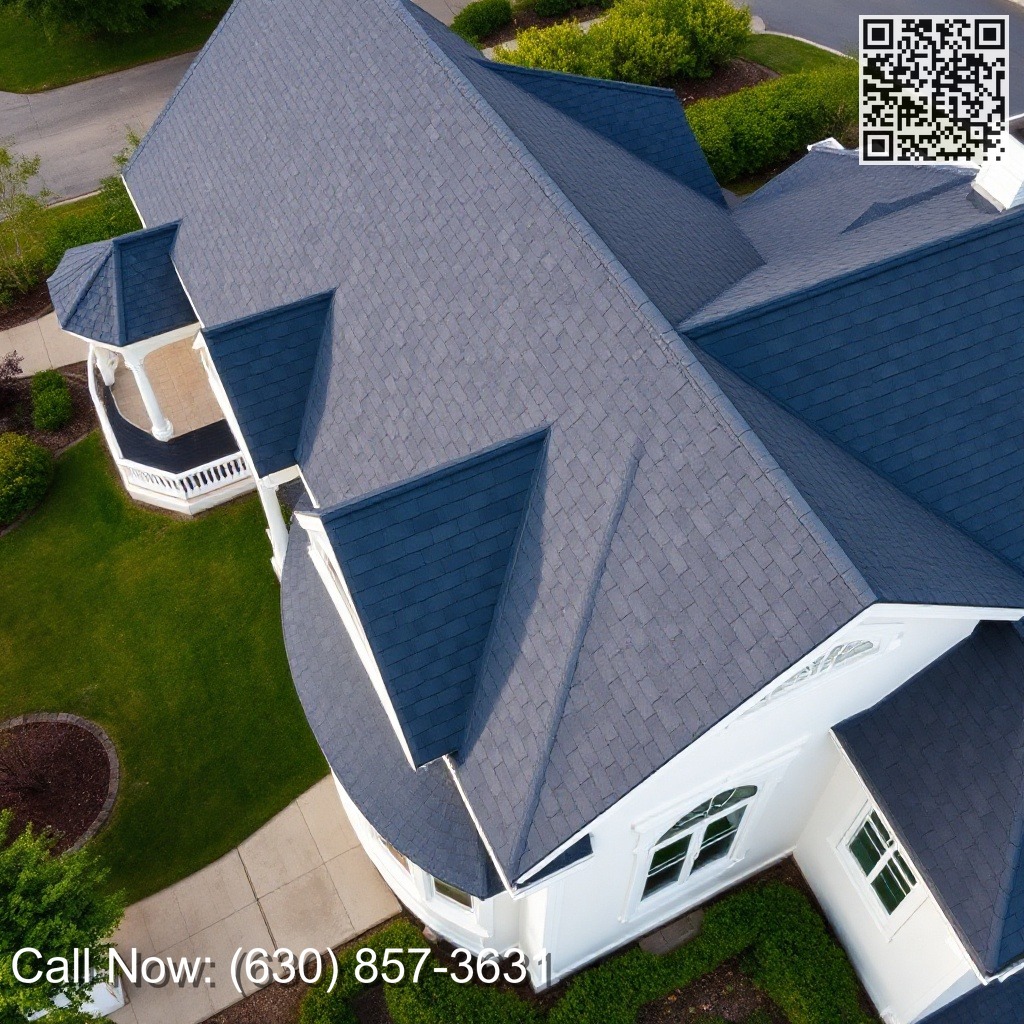
That can be especially useful on complex roofing systems with dormers, hips, valleys, and decorative shifts. Those details are eye-catching, yet they additionally develop more edges, even more cuts, and extra locations where wind-driven water can examine the installment. A well-designed synthetic roofing system setup can aid streamline upkeep while maintaining the upscale look that complicated rooflines typically demand.
Another sensible benefit is weight. Homeowners curious about a slate-style look might not have the architectural capability for natural slate without support. Building artificial roofing can give a similar visual impact without the same dead lots. That can open layout options that would certainly or else be cost-prohibitive.
The installation matters as much as the material
A solid item set up badly is still a weak roof. I have actually seen property owners spend for premium synthetic roof and wind up disappointed due to the fact that faster ways were taken on format, attachment, blinking combination, or ventilation. They assumed they were purchasing storm resistance, however what they actually purchased was a premium-looking surface laid over unresolved problems.
That is why picking the right artificial roof company matters equally as long as picking the item. A professional synthetic roofer ought to have the ability to describe not only why a certain item fits your home, but exactly how it will certainly be mounted in detail. Ask direct questions. Just how are valleys being handled? What underlayment is specified? Exactly how will ridge air flow be balanced with soffit consumption? Are flashings being changed or recycled? Will the old outdoor decking be checked and documented during tear-off?
The best synthetic roof covering installers are generally extremely comfy with those inquiries. They have answered them often times. They know that duplicated tornado damages is often a symptom of weaknesses that existed before the most up to date weather event. Their task is not to hide those weak points under new product. It is to remedy them.
A short real-world pattern home owners often recognize
A rather common circumstance resembles this. A residence has an aging asphalt roof covering that has actually currently undergone one hail storm insurance claim. A few years later on, another tornado harms a various incline. A fixing is made, but the materials no more match completely, and the older roof shingles close by are weak. The following wintertime, a leakage shows up near a valley where old and brand-new areas meet. By springtime, the property owner has actually paid one insurance deductible, one out-of-pocket repair, and one interior drywall bill.
At that point, the frustration is no more regarding one leakage. It is about self-confidence. The home owner does not rely on the roof anymore.
That is typically the moment when artificial roofing system replacement ends up being the extra rational course. Not due to the fact that the old roof covering fell short at one time, but because it fell short in a way that produced unpredictability every period. A replacement can reset the system, settle covert weaknesses, and reduce the probabilities of repeating the same pattern.
How to judge whether the timing is right
There is no universal year or storm matter that determines substitute. The choice needs to hinge on problem, repair history, and future exposure. If you are attempting to judge the timing, focus on a few functional questions.
Ask whether the roof covering can still be restored as a unified system, not simply patched visually. Ask whether future matching repair work are likely to be available. Ask whether the underlying deck and blinking details continue to be reliable. Ask whether the roof covering's age makes each brand-new tornado disproportionately pricey. Most significantly, ask whether another repair would genuinely improve reliability or simply hold off a replacement that is already becoming inevitable.
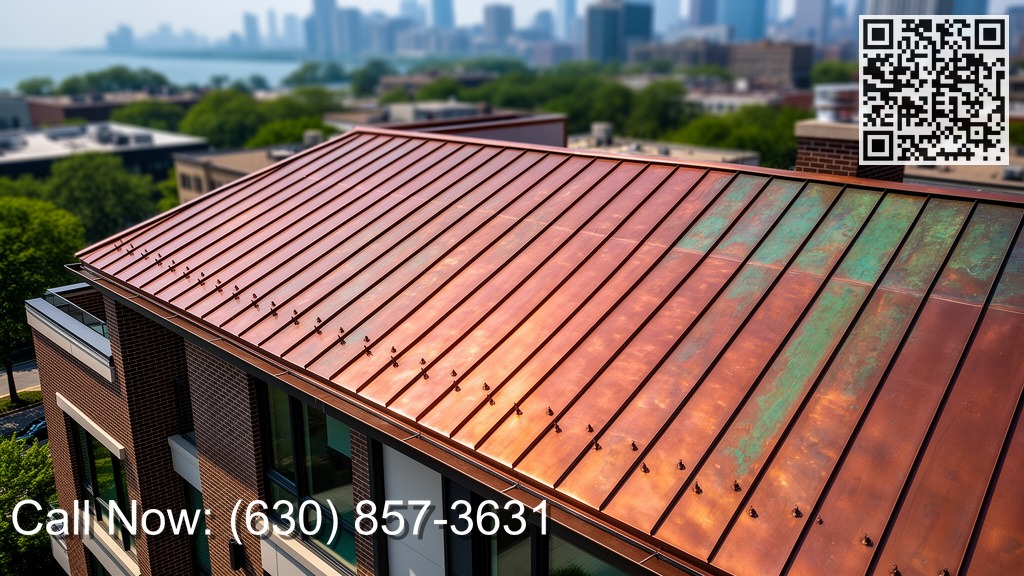
Sometimes homeowners are reluctant since a complete substitute feels like a large jump. That is reasonable. Yet hesitation can come to be expensive if the roofing is currently in decline. Reoccurring dampness breach rarely gets less expensive with time.
Insurance, aesthetics, and resale all play a role
Repeated tornado damage typically brings insurance right into the conversation, however insurance coverage should not be the single chauffeur of the decision. Coverage differs, and insurance claim outcomes depend on the cause, degree, age, and policy terms. What issues from a homeowner's point of view is whether the roof covering you pick next off will leave you in a far better placement than the one you are replacing.
For some households, that indicates selecting synthetic roof shingles with an account close to the initial roofing system to maintain community consistency. For others, particularly owners of custom homes, synthetic roof for deluxe homes may use a chance to boost both curb allure and resilience at the very same time. An appropriate roof covering can develop the architecture of a home, not just secure it.
Resale worth enters the conversation as well, though it ought to be watched realistically. A new roofing system seldom returns dollar-for-dollar value on its own. What it does do is get rid of a major argument. Buyers notice patched, inconsistent, storm-worn roofings. They additionally notice premium artificial roofing systems that look considerable and current. In competitive markets, that difference can affect just how quickly a home relocations and just how much negotiating pressure the vendor faces.
Questions worth asking before you commit
If you are assessing a replacement after repeated tornados, the high quality of the discussion you have with the specialist will certainly inform you a great deal. Strong service providers tend to welcome in-depth inquiries since they know the choice is substantial. At a minimum, you need to come away with clear solutions on these factors:
- Why is replacement advised now as opposed to an additional repair?
- Which synthetic roofing systems fit this home and environment, and why?
- What concealed problems might be discovered during tear-off, and just how are they handled?
- Who will certainly do the synthetic roof covering setup, company teams or subcontractors?
- What craftsmanship defenses and manufacturer requirements put on this project?
Those responses should be specific to your roofing system, not common sales language. If a service provider leaps straight to item sales brochures without carefully examining the roof, attic room, water drainage, and blinking problems, that is a warning sign. Tornado strength is constructed through details.
The best factor to change is not be afraid, it is predictability
Homeowners occasionally think roof substitute choices are driven by anxiety of the next tornado. In my experience, the better reason is predictability. As soon as a roof has actually endured repetitive damage, and as soon as fixings stop restoring self-confidence, the goal shifts. You desire a roof that does much more accurately, requires fewer reactive choices, and fits the problems your home really faces year after year.
That is where costs synthetic roof covering often confirms its value. It can provide the architectural personality many house owners desire, with more powerful resistance to the kinds of impact, wetness, and weather condition cycling that put on down much more at risk products. In markets with severe seasonal changes, specifically where property owners are proactively trying to find synthetic roof covering Chicago options or a trusted artificial professional roofer in the surrounding residential areas, that value ends up being a lot more concrete with every tornado season.
If your roofing has actually entered the cycle of recurring damage, recurring repairs, and persisting doubt, it might be time to quit treating the signs and symptoms. A thoroughly planned artificial roof covering replacement can transform an uncertain responsibility back right into a resilient, cohesive component of the home. That is normally the point when substitute stops sensation like an upgrade and begins feeling like the practical next step.
When Quality Matters
Salvo Architectural Roofing Contractors
566 West 5th Ave Naperville, IL 60563
(630) 857-3631
 Ask ChatGPT
 Ask Grok
 Ask Perplexity
 Ask Claude
 Ask Google AI
 Ask You